DECOR
Neuro luxury: why we don't polish our decor
Polished luxury impresses the eye. Neuro luxury settles the nerves. Here is what we mean by it, and why the design world is moving the same way.
For a long time, luxury at home meant shine. Mirror finishes, perfect symmetry, glossy marble and chrome, rooms that looked the same in every magazine. It is beautiful from a distance. But stand in a room like that for a while and ask yourself how your body feels. Often the answer is: careful. Polished luxury is made to be admired, and it often asks you not to touch.
What we mean by neuro luxury
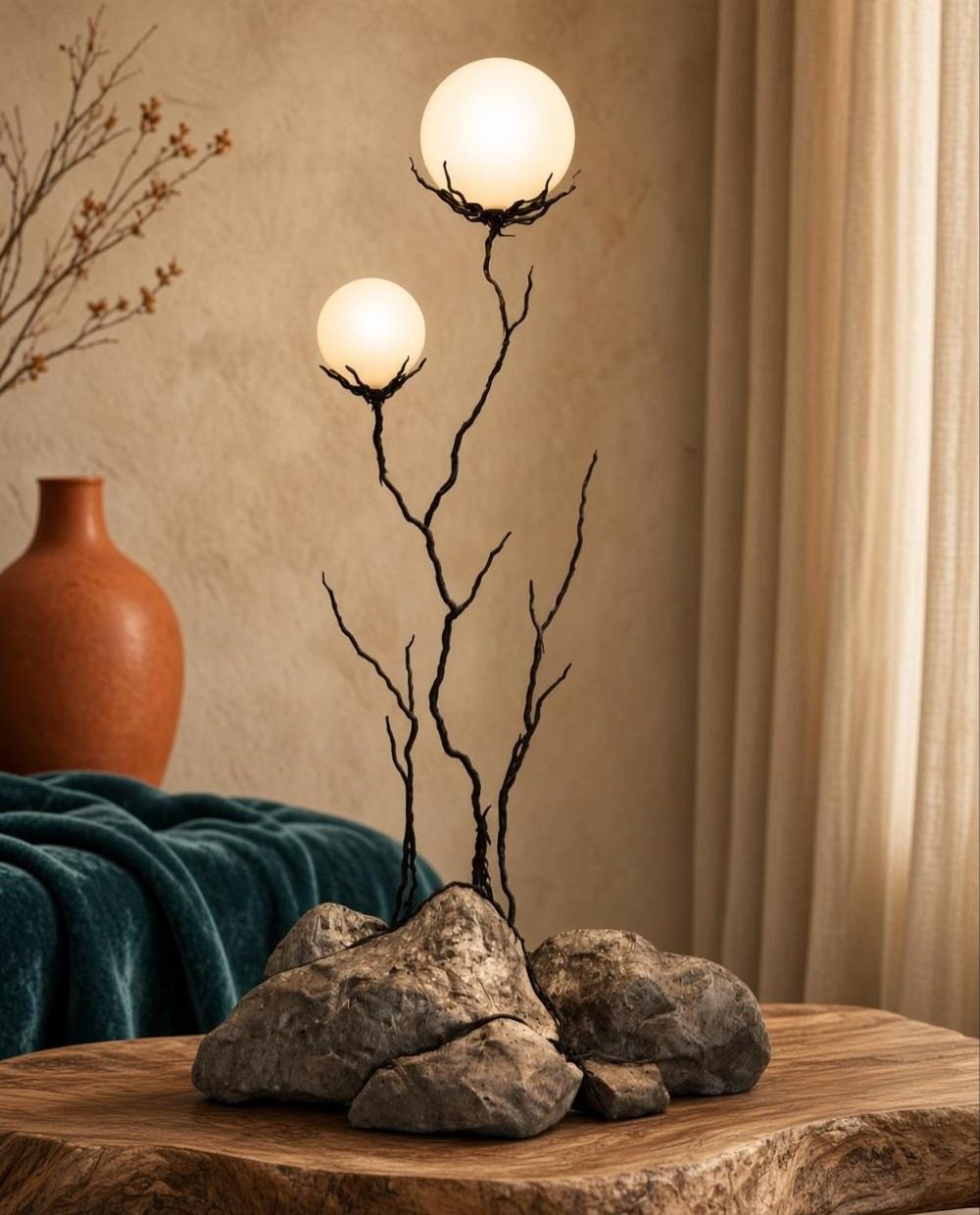
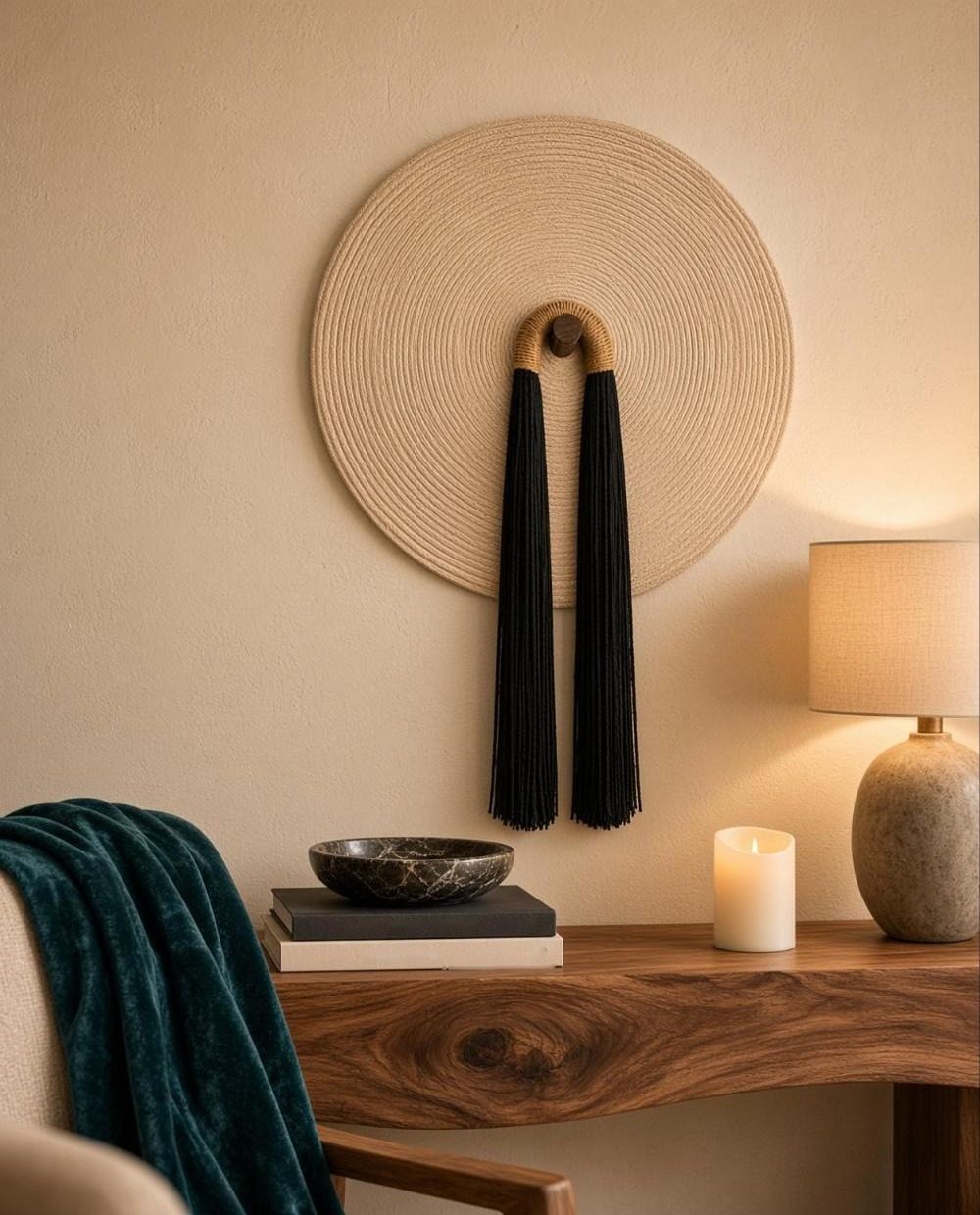
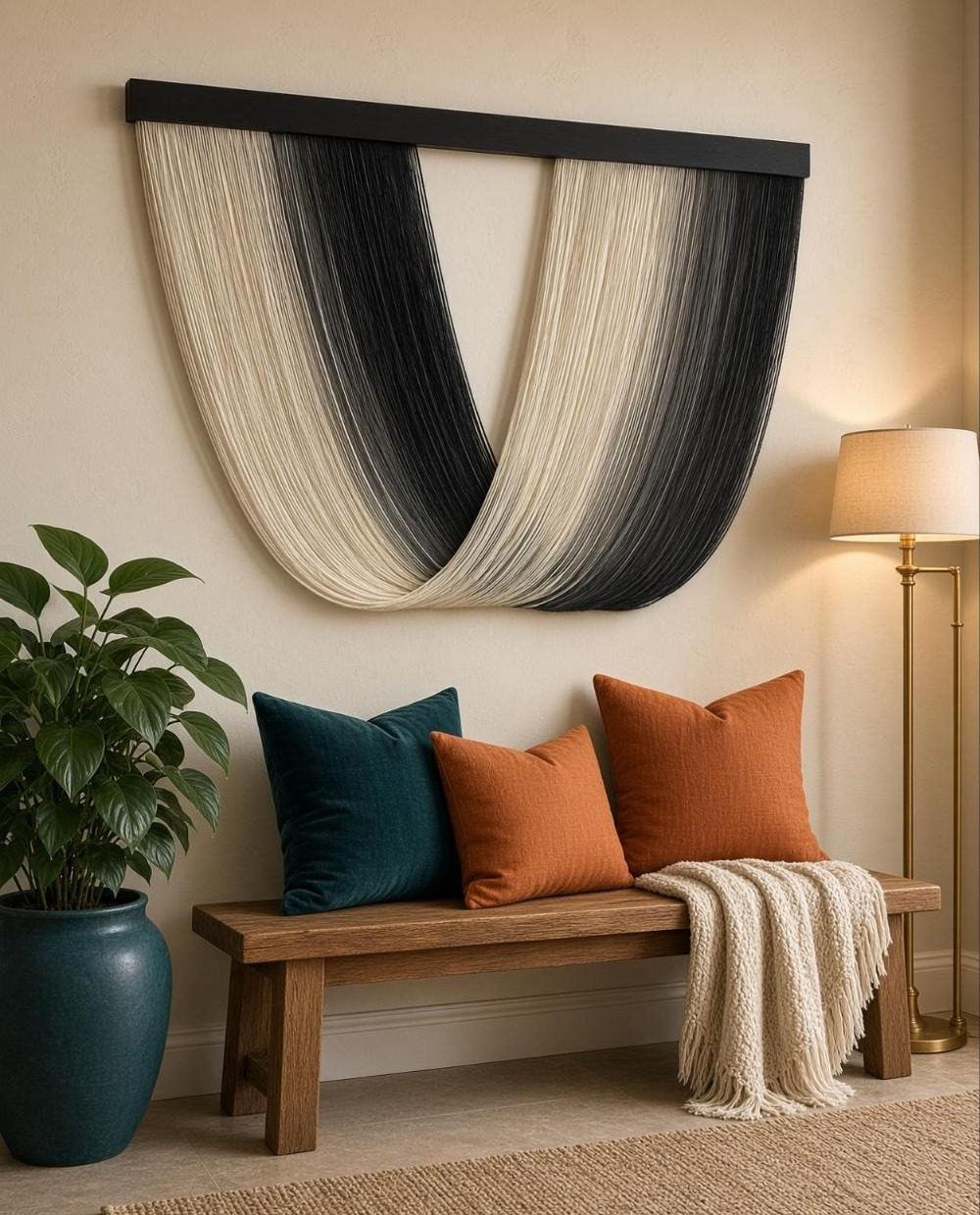
We use the words neuro luxury for a different idea: luxury you feel in your body, not only see. It is measured by how a room makes you breathe. A wall you want to run your hand across. Light falling softly through jute. A corner of raw stone and moss that makes you slow down, the way the mountains do.
It grows from a field called neuroaesthetics, the study of how beauty and art affect the brain and body. In their book Your Brain on Art, Susan Magsamen of Johns Hopkins University and Ivy Ross argue that making or simply experiencing art can change how we feel, right down to our biology. Slow, repetitive handwork, natural colours and gentle textures all play a part.
Luxury is a home that holds you, not one you have to be careful in.
The design world is moving this way
Trend researchers at Stylus wrote in March 2026 that luxury interiors are entering a "sensory renaissance". They describe neuroaesthetic ideas now shaping luxury spaces, and younger buyers moving luxury away from status and towards meaning, craftsmanship and culture. In other words, people want homes that feel good, not just homes that look expensive.
Polished luxury and neuro luxury, side by side
- Mirror shine becomes texture you want to touch.
- Perfect symmetry becomes the irregular patterns of nature.
- Cold, hard surfaces become warm wood, clay, jute and stone.
- Bright, even light becomes a low, warm glow.
- The same piece in every home becomes something made by hand, for you.
- Made to impress guests becomes made to calm you.
Why our decor stays unpolished
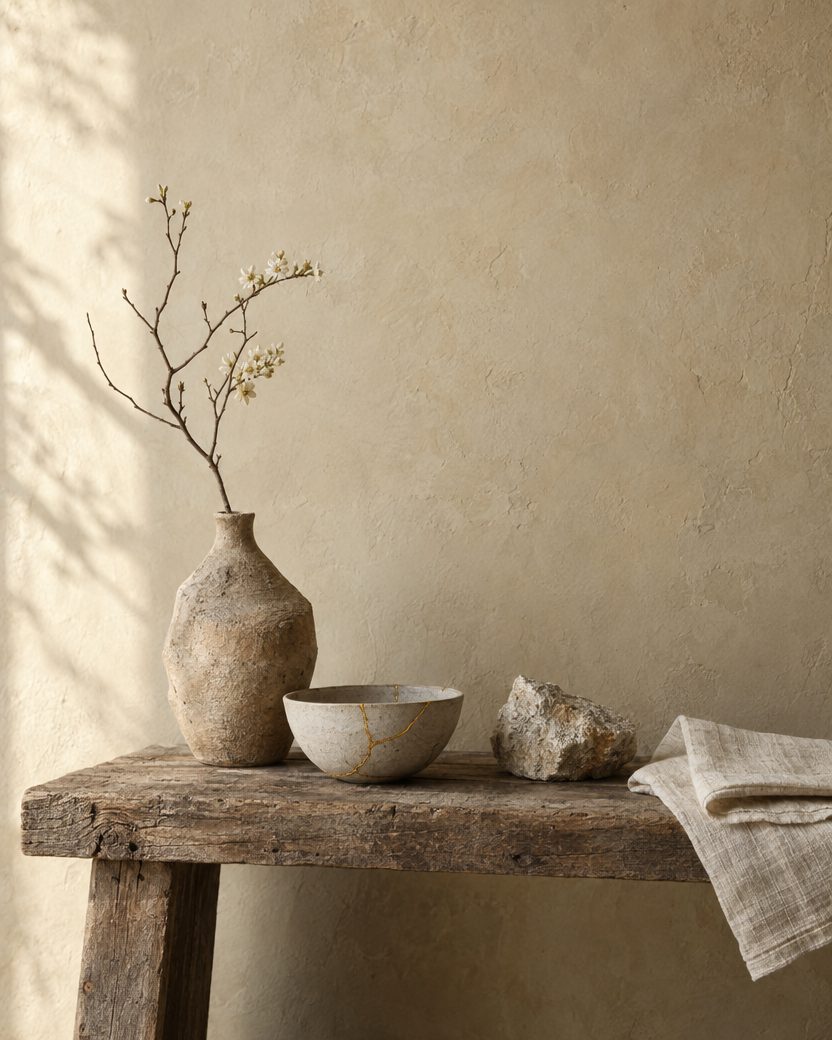
This is why we never sand away every mark of the hand. The uneven edge of a clay pot, the knots in a macrame hanging, the grain of driftwood and the rough face of a rock are not flaws. They are what your eyes and hands read as nature, and they are what help your nervous system settle. It is the same idea the Japanese call wabi sabi, the beauty of the imperfect.
Bringing neuro luxury home
- Choose one handmade piece instead of five perfect ones.
- Mix textures: jute next to clay, wood next to stone.
- Add the sound of water with a small fountain.
- Light the evening with warm lamps instead of a bright ceiling light.
- Bring in something living, and something that was once living, like dried grasses or driftwood.
Luxury, for us, is a home that holds you. Not one that you have to be careful in.
FURTHER READING
- New luxury dynamics: interiors with feeling, Stylus, March 2026
- Your Brain on Art, Johns Hopkins Magazine
- Physiological effects of touching wood, Ikei, Song and Miyazaki, 2017
- A meta analysis of emotional evidence for the biophilia hypothesis, Frontiers in Psychology, 2022
Want help with yours?
Message us on WhatsApp